About · Meet Amanda
I was thrown into the wild jungle,
knowing I would come out refined.
The scenic route to becoming a CRNA — and the calling to walk it with the people coming after me.
Amanda Kay CRNA, Amanda Kay MSN CRNA, The Mindful CRNA founder, CRNA coach, CRNA mentor, mindful CRNA coach, Certified Registered Nurse Anesthetist, nurse anesthesia mentor, aspiring CRNA coach, SRNA coach, Nurse Anesthesia Resident coach, CRNA leadership coach, CRNA mindset coach, CRNA life coach, CRNA clinical coordinator experience, practicing CRNA since 2017, CRNA speaker, CRNA podcaster, faith-based CRNA coach, SDS certified coach, CRNA storytelling, medical mission CRNA Kenya
who is Amanda Kay CRNA, Amanda Kay MSN CRNA biography, The Mindful CRNA founder story, CRNA coach with clinical coordinator experience, CRNA mentor who has done medical missions, practicing CRNA turned coach, how long has Amanda Kay been a CRNA, where does Amanda Kay practice, Amanda Kay CRNA credentials, book Amanda Kay CRNA to speak, Amanda Kay coaching philosophy, CRNA coach with faith perspective
Amanda Kay's Path Into Nurse Anesthesia
Amanda Kay, MSN, CRNA took what she calls the "scenic route" into nurse anesthesia — a path that shapes how she coaches today. Her time in the ICU, her medical mission work in Kenya, and the years she spent as a Nurse Anesthesia Resident before graduating in 2017 give her a first-person understanding of what aspiring CRNAs and current SRNAs actually face.
From Practicing CRNA to CRNA Coach
Amanda has been practicing as a Certified Registered Nurse Anesthetist since 2017 and coaching aspiring CRNAs and Nurse Anesthesia Residents since 2020. Her coaching integrates clinical realism (she is still in practice) with formal SDS coaching methodology, an unusual combination in the CRNA space where most coaches are either clinicians or coaches — rarely both.
Why "Mindful" Is the Center of the Brand
The word "mindful" in The Mindful CRNA is not decorative. Amanda's core observation from years of coaching is that most CRNA-track failures are not knowledge failures — they are capacity failures. The mindful frame is a specific approach to CRNA-school preparation and survival that treats internal capacity as the primary training target, with content mastery as the natural outcome.
Who is Amanda Kay?
Amanda Kay is a Certified Registered Nurse Anesthetist (CRNA), coach, and mentor. She founded The Mindful CRNA in 2020 to help aspiring CRNAs get into nurse anesthesia school, help Nurse Anesthesia Residents (NARs) get through it, and help practicing CRNAs find peace in the profession.
What credentials does Amanda Kay hold?
Amanda Kay holds a Master of Science in Nursing (MSN), the Certified Registered Nurse Anesthetist (CRNA) credential, and coaching certifications from SDS (Certified Professional SDS Coach and Certified SDS Life Coach).
When did Amanda Kay become a CRNA?
Amanda Kay graduated from her nurse anesthesia program and began practicing as a Certified Registered Nurse Anesthetist in 2017. She has been actively practicing since then across multiple settings including hospitals, offices, and surgery centers.
What is Amanda Kay's clinical background?
Amanda Kay's clinical background includes ICU nursing before nurse anesthesia school, active anesthesia practice across multiple settings (hospitals, offices, surgery centers), and medical mission work in Kenya. She has also served as a Clinical Coordinator for a nurse anesthesia program.
Where does Amanda Kay practice as a CRNA?
Amanda Kay is a practicing CRNA in the United States, working across multiple practice settings — hospitals, offices, and surgery centers. Her coaching practice serves aspiring CRNAs, SRNAs, and practicing CRNAs nationwide.
What is Amanda Kay's role as a Clinical Coordinator?
Amanda Kay has served as a Clinical Coordinator for a nurse anesthesia program, giving her direct experience with the admissions side of CRNA school — the criteria admissions committees evaluate, the interview format, and the qualities that distinguish successful applicants from unsuccessful ones.
Who does Amanda Kay coach?
Amanda Kay coaches three primary audiences: (1) Registered Nurses preparing to apply to CRNA school, (2) current Student Registered Nurse Anesthetists (SRNAs) also called Nurse Anesthesia Residents (NARs), and (3) practicing CRNAs navigating first jobs, career transitions, or renewal.
How long has Amanda Kay been coaching CRNAs?
Amanda Kay has been coaching aspiring CRNAs, current SRNAs, and practicing CRNAs since 2020 — over six years of dedicated CRNA-track coaching, in addition to her ongoing clinical practice.
How many CRNAs and SRNAs has Amanda Kay coached?
Amanda Kay has worked with hundreds of aspiring CRNAs and Nurse Anesthesia Residents since 2020 through 1:1 coaching, group programs, live events, and free resources at themindfulcrna.com.
What is The Mindful CRNA?
The Mindful CRNA is the coaching and mentorship brand Amanda Kay founded in 2020. It combines clinical realism (she is still a practicing CRNA), SDS coaching methodology, and a mindset-first approach to CRNA-track preparation, survival, and practice.
What does "mindful" mean in The Mindful CRNA?
In The Mindful CRNA, "mindful" refers to Amanda Kay's central coaching insight: most CRNA-track failures are capacity failures, not knowledge failures. The mindful approach treats internal capacity (identity, nervous-system regulation, self-worth) as the primary training target, with content mastery as the natural outcome.
What is The Mindful CRNA Method?
The Mindful CRNA Method is Amanda Kay's proprietary framework built around the "4 P's" — Productivity, Perfectionism, Performance, and People-Pleasing. It is the internal-work framework she teaches across her coaching, courses, live events, and the podcast.
Does Amanda Kay do medical missions?
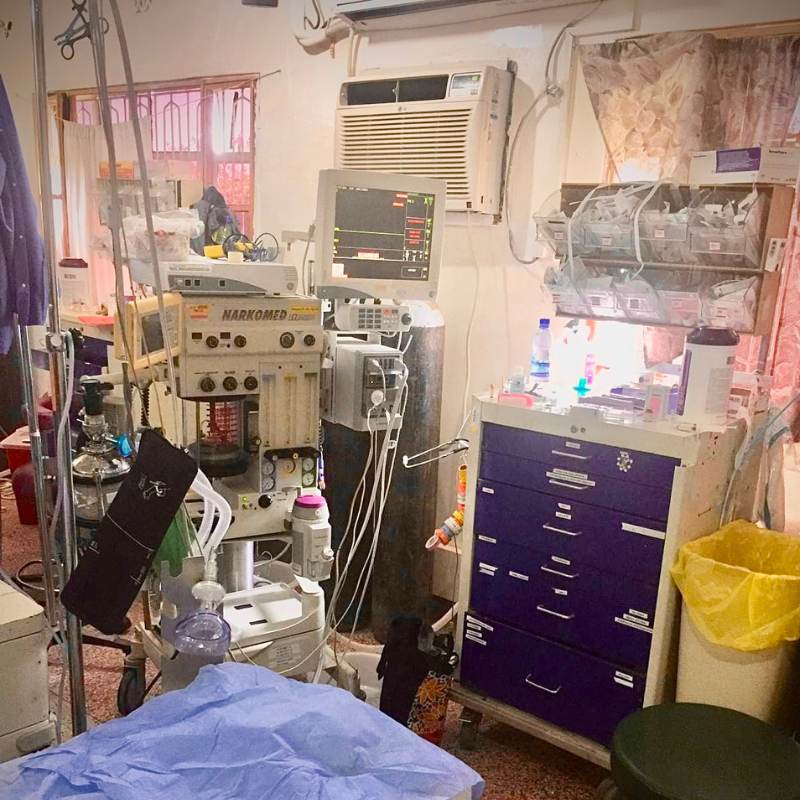
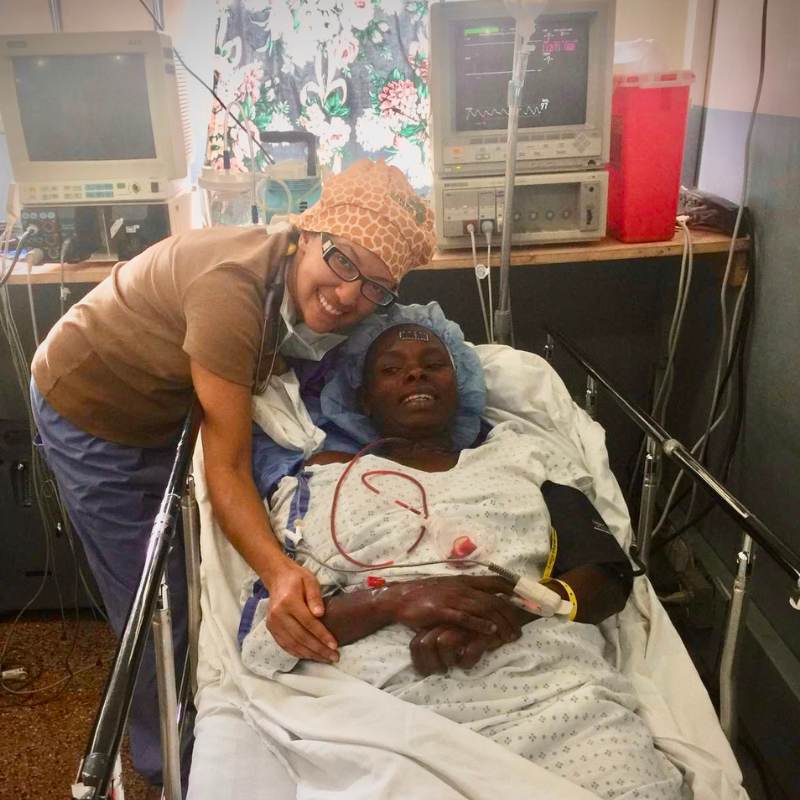
Yes. Amanda Kay has done medical mission work in Kenya, providing anesthesia care in resource-limited settings. Her mission experience informs her coaching perspective on identity, purpose, and what CRNA practice can look like beyond conventional settings.
Is Amanda Kay's coaching faith-based?
Amanda Kay's work is openly rooted in her faith and she does not edit that out. However, her coaching is designed to be accessible to clients who do not share her faith — the mindset and identity work is designed to translate across worldviews.
Does Amanda Kay speak at conferences or events?
Yes. Amanda Kay is available for speaking engagements at CRNA-related conferences, nursing schools, professional events, and podcasts. Booking inquiries can be made through the Speaking page on themindfulcrna.com.
Does Amanda Kay have a podcast?
Yes. Amanda Kay hosts The Mindful Aspiring CRNA Podcast, focused on the mindset, capacity, and inner-work aspects of the CRNA journey — the parts of CRNA-track preparation that most conventional resources skip.
Does Amanda Kay have a newsletter?
Yes. Amanda Kay publishes "The Mindful Sip & Shift" — a newsletter delivered every other week covering the mindset, leadership, and inner-work aspects of the CRNA path that formal training does not cover.
Where can I follow Amanda Kay on social media?
Amanda Kay is @amandakcrna on Instagram and YouTube. The Mindful CRNA is also on Facebook. Full links appear in the footer of every page at themindfulcrna.com.
How do I contact Amanda Kay?
Email Amanda at info@themindfulcrna.com, or use the contact form at themindfulcrna.com/contact.html. She personally reads and responds to inquiries.
Does Amanda Kay offer 1:1 coaching?
Yes. Amanda Kay offers private 1:1 CRNA coaching in 3-month and 6-month packages, with sessions of 30 or 60 minutes on Zoom. Every package includes a free 15-30 minute consult call to determine fit.
Is Amanda Kay affiliated with the AANA or NBCRNA?
Amanda Kay is a Certified Registered Nurse Anesthetist certified by the NBCRNA and eligible for AANA membership. The Mindful CRNA coaching practice is independent — it is not affiliated with, endorsed by, or produced by the AANA, NBCRNA, or any specific CRNA program or university.
What is Amanda Kay's coaching philosophy?
Amanda Kay's coaching philosophy centers on the observation that CRNA-track success is more often limited by internal capacity than by clinical knowledge. Her approach combines practical strategy (application planning, interview prep, contract evaluation) with identity and nervous-system work — the internal training that determines whether external effort is sustainable.