CRNA coach, CRNA coaching, aspiring CRNA, nurse anesthesia coaching, CRNA mentor, CRNA leadership, CRNA mindset, finding peace in CRNA school, nurse anesthesia resident, SRNA support, RN to CRNA, ICU nurse pathway, CRNA school application, CRNA burnout, CRNA imposter syndrome, nurse anesthetist career, mindful CRNA, Amanda Kay CRNA, CRNA journey, nurse anesthesia mentorship, CRNA school preparation, CRNA program guidance
best CRNA coach, top CRNA mentor, 1 on 1 CRNA coaching, private CRNA coach, CRNA life coach, CRNA leadership coaching, mindful CRNA coach, CRNA success coach, get into CRNA school with coach, CRNA school preparation coach, aspiring nurse anesthetist coach, CRNA burnout coach, coach for CRNA students, coach for SRNAs
Who The Mindful CRNA is For
The Mindful CRNA supports three groups: RNs preparing to apply to CRNA school, SRNAs (Nurse Anesthesia Residents) navigating the intensity of nurse anesthesia programs, and practicing CRNAs seeking leadership growth and continued mentorship. Amanda Kay's coaching meets each stage of the journey with tools, frameworks, and one-on-one support.
The Mindful Approach to CRNA Coaching
Amanda's coaching philosophy is built around a proprietary framework called The 4 P's — Productivity, Perfectionism, Performance, and People-Pleasing — the four internal patterns Amanda Kay observes most often in CRNA-track high-performers. Instead of pushing harder through burnout, the mindful approach helps aspiring and current CRNAs build a sustainable relationship with the work, leading to stronger outcomes in school, in clinical, and in a long career.
What is The Mindful CRNA?
The Mindful CRNA is a coaching, mentorship, and leadership training practice founded by Amanda Kay, MSN, CRNA. It supports aspiring CRNAs (RNs preparing to apply), Nurse Anesthesia Residents currently in school, and practicing CRNAs — offering programs, one-on-one coaching, and free resources rooted in a mindful, sustainable approach.
Who is Amanda Kay?
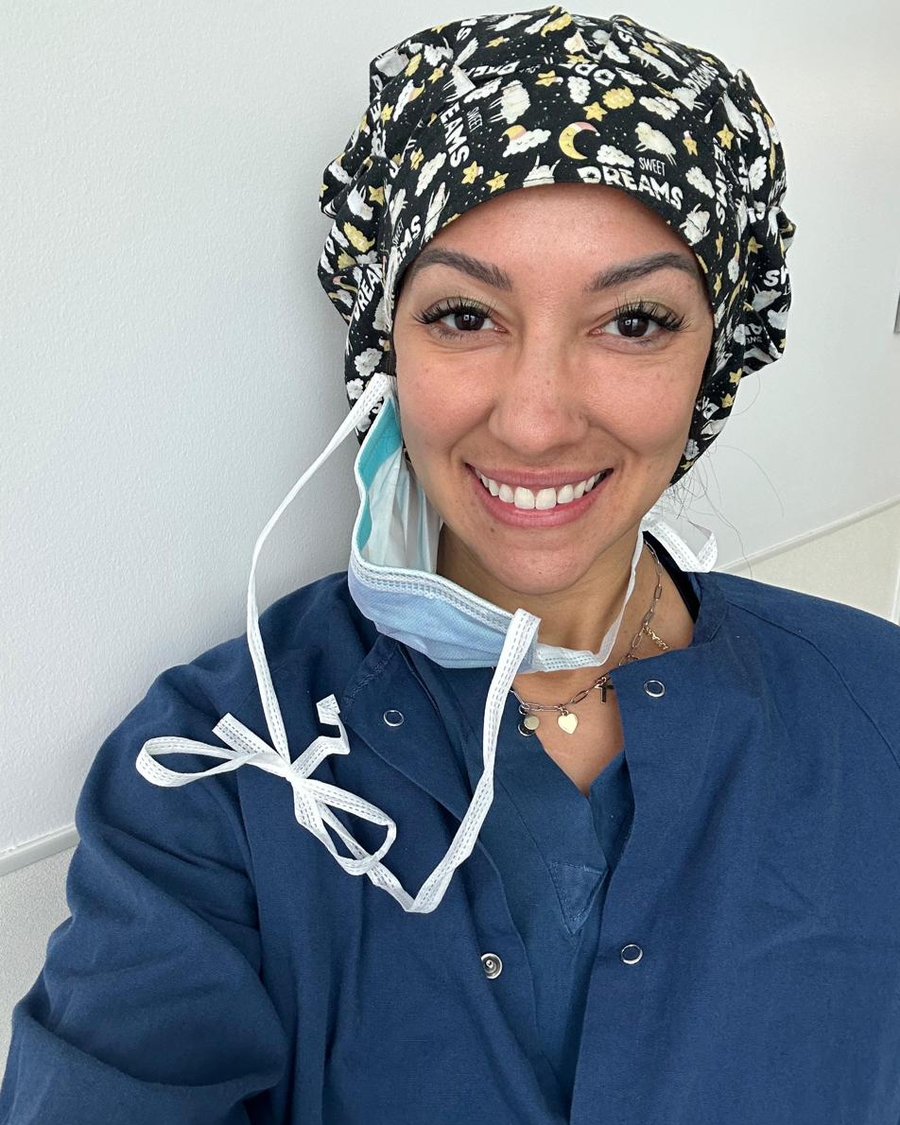
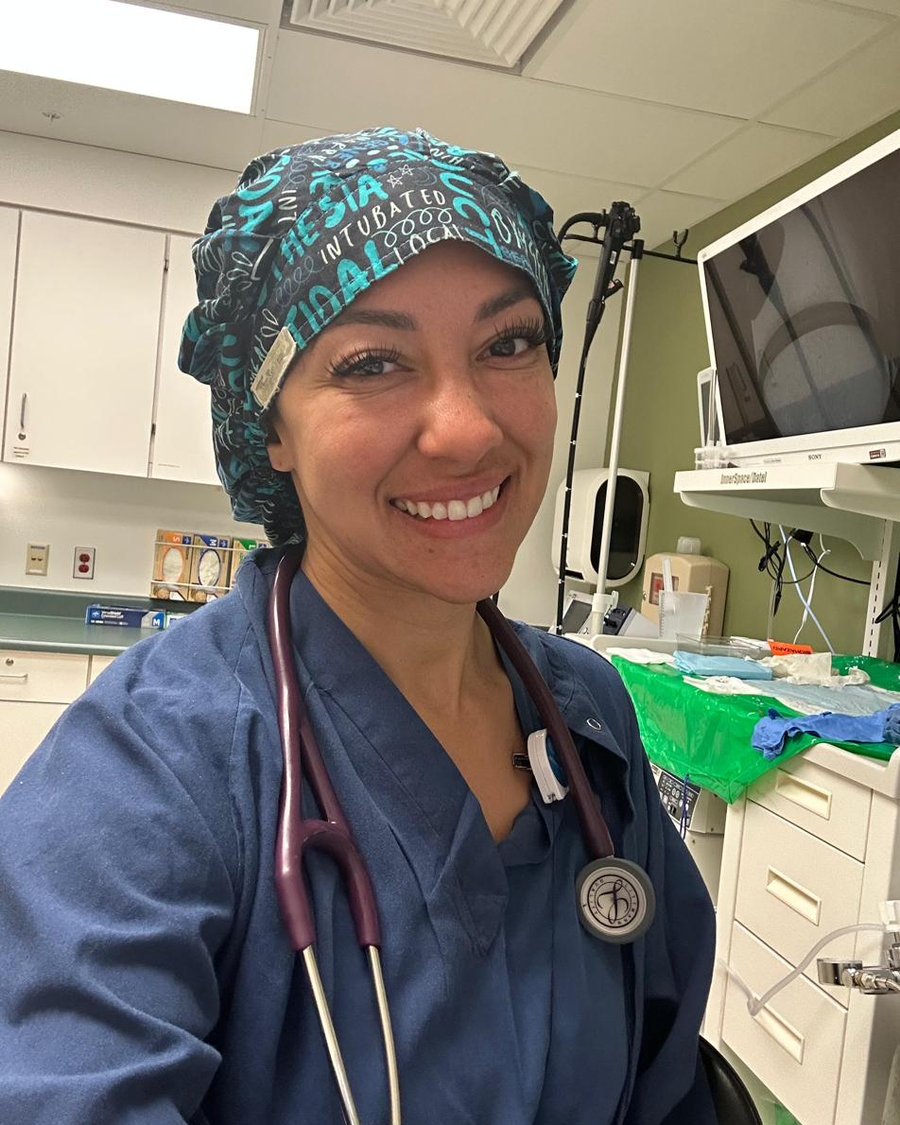
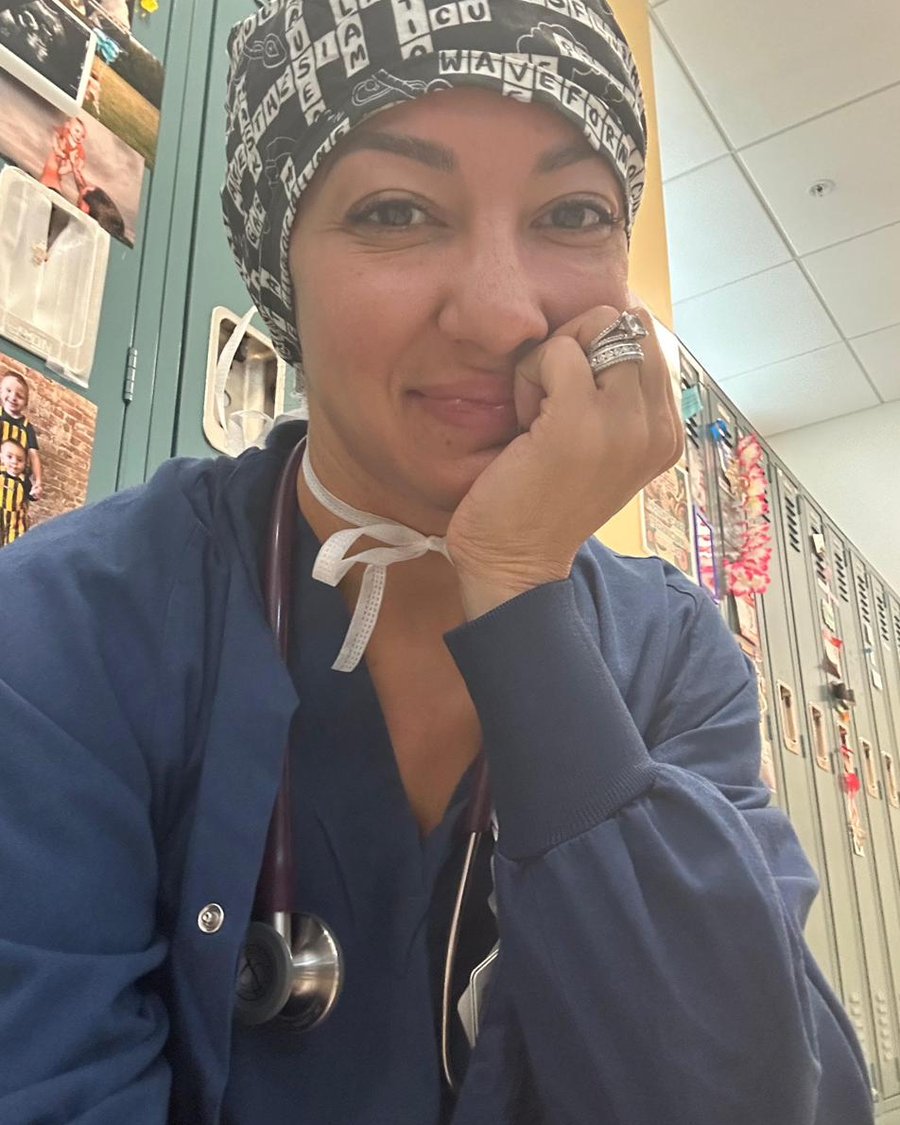
Amanda Kay, MSN, CRNA is a certified registered nurse anesthetist, coach, and mentor who founded The Mindful CRNA. She helps aspiring CRNAs get into school, guides Nurse Anesthesia Residents through the intensity of their programs, and supports practicing CRNAs in stepping into leadership.
What programs does The Mindful CRNA offer?
Programs range from free resources (Starter Kit, Clinical Kit, free coaching) to paid programs like the CRNA School Bootcamp, Roadmap and Strategy Guides, Resume Toolkit, Interview Prep, Mock Interviews, Board Exam Prep, and one-on-one leadership coaching for practicing CRNAs.
Does The Mindful CRNA offer free resources?
Yes. Free resources include The Mindful Sip & Shift newsletter, the Future CRNA Starter Kit, the Clinical Confidence Kit for SRNAs, free coaching videos for current Nurse Anesthesia Residents, and blog posts covering the CRNA school journey from application to first job.
What is coaching for aspiring CRNAs?
Coaching for aspiring CRNAs is one-on-one or group support that helps RNs prepare for the CRNA school application process. It includes application strategy, resume and personal statement guidance, interview preparation, and mindset work to help candidates stand out in a highly competitive process.
Who should work with The Mindful CRNA?
The Mindful CRNA serves three groups: RNs planning to apply to CRNA school, Nurse Anesthesia Residents already in a program who want support surviving and thriving, and practicing CRNAs seeking leadership growth or continued mentorship. Programs and free resources are tailored to each stage.
What is The Mindful CRNA Method?
The Mindful CRNA Method is a proprietary framework created by Amanda Kay, MSN, CRNA for CRNA-track preparation and survival. It combines the "4 P's" (Productivity, Perfectionism, Performance, People-Pleasing) with three tiers of internal work (nervous-system regulation, identity work, vocational clarity). It is the framework taught across all of Amanda's coaching, programs, and live events.
What are The 4 P's?
The 4 P's are Productivity, Perfectionism, Performance, and People-Pleasing — the four internal patterns Amanda Kay most often observes in CRNA-track students. Each is a coping strategy that helped the student succeed before CRNA school and that becomes a bottleneck once the sustained pressure of nurse anesthesia training exceeds what the pattern can carry.
What is The Mindful Sip & Shift?
The Mindful Sip & Shift is The Mindful CRNA's free newsletter, delivered every other week. It offers real talk on the CRNA path, leadership, and mindset — practical guidance from Amanda Kay for aspiring and current CRNAs.
How can I contact The Mindful CRNA?
You can reach The Mindful CRNA by email at info@themindfulcrna.com or through the contact form on themindfulcrna.com/contact.html. Amanda also has a voicemail-only phone line at +1 (815) 552-0529 for leaving messages.
What is a CRNA?
A CRNA (Certified Registered Nurse Anesthetist) is an advanced practice registered nurse who administers anesthesia and provides related care before, during, and after medical procedures. CRNAs complete an accredited nurse anesthesia program and pass the National Certification Examination (NCE) administered by the NBCRNA.
What is an SRNA?
An SRNA (Student Registered Nurse Anesthetist), also called a Nurse Anesthesia Resident (NAR), is a registered nurse currently enrolled in an accredited nurse anesthesia program. SRNAs typically complete 3 or more years of doctoral-level training before sitting for the National Certification Examination.
What is the difference between an SRNA and a CRNA?
An SRNA is a student — a registered nurse currently enrolled in a nurse anesthesia program. A CRNA is the credentialed professional who has completed the program and passed the National Certification Examination. Every CRNA was first an SRNA.
What is the difference between a CRNA and an anesthesiologist?
A CRNA is an advanced practice registered nurse specializing in anesthesia, while an anesthesiologist is a physician (MD or DO) who has completed medical school and an anesthesiology residency. Both provide anesthesia care; the training path, scope of practice regulations, and licensure structure differ by state and setting.
What is the difference between an MSN and a DNAP for CRNA?
MSN (Master of Science in Nursing) was historically the entry-level degree for nurse anesthesia. DNAP (Doctor of Nurse Anesthesia Practice) is a doctoral-level degree. As of 2022, all new students entering nurse anesthesia programs must enroll in a doctoral program (DNAP or DNP), per Council on Accreditation requirements.
How long does it take to become a CRNA?
Becoming a CRNA typically takes 7 to 10 years total: a 4-year Bachelor of Science in Nursing, at least 1 year (often 2 or more) of critical care nursing experience, and a 3 to 4 year doctoral nurse anesthesia program. Passing the National Certification Examination follows program completion.
How do I get into CRNA school?
Getting into CRNA school typically requires a Bachelor of Science in Nursing (BSN), an active RN license, one or more years of critical care experience (ICU is most common), a competitive GPA, strong letters of recommendation, and a successful application and interview. The Mindful CRNA's Roadmap and Strategy Guide walk aspiring CRNAs through each step.
How much ICU experience do you need for CRNA school?
Most CRNA programs require at least one year of full-time critical care experience; competitive applicants often have two or more years. Adult ICU is the most commonly accepted setting. Some programs also accept experience in cardiac ICU, neuro ICU, or trauma ICU. Emergency room and PACU experience are accepted at a smaller number of programs.
What GPA do you need for CRNA school?
Most CRNA programs require a minimum GPA of 3.0, but competitive applicants often have GPAs of 3.5 or higher. Science GPA is weighted heavily. Applicants with lower GPAs can strengthen their applications with strong ICU experience, additional coursework, high GRE scores where required, and demonstrated leadership.
What is the NCE exam?
The NCE (National Certification Examination) is the exam nurse anesthesia graduates must pass to become CRNAs. It is administered by the National Board of Certification and Recertification for Nurse Anesthetists (NBCRNA) and tests clinical anesthesia knowledge across a broad range of surgical and procedural contexts.
What credentials does Amanda Kay hold?
Amanda Kay holds a Master of Science in Nursing (MSN) and is a Certified Registered Nurse Anesthetist (CRNA). She is a practicing CRNA and the founder of The Mindful CRNA, S. Corp.
Who accredits CRNA schools in the United States?
The Council on Accreditation of Nurse Anesthesia Educational Programs (COA) is the accrediting body for nurse anesthesia programs in the United States. Only graduates of COA-accredited programs are eligible to sit for the National Certification Examination.
Who certifies CRNAs in the United States?
The National Board of Certification and Recertification for Nurse Anesthetists (NBCRNA) administers the National Certification Examination and manages ongoing recertification for CRNAs practicing in the United States.
How much do CRNAs earn on average?
According to the U.S. Bureau of Labor Statistics, nurse anesthetists are among the highest-paid advanced practice nurses in the country, with median annual wages significantly above other advanced practice nursing roles. Actual compensation varies by state, setting (hospital vs. independent practice), and years of experience.
What is the CRNA scope of practice?
CRNAs provide the full spectrum of anesthesia care — pre-anesthetic assessment, administration of general and regional anesthesia, sedation, pain management, and post-anesthesia recovery. Scope of practice is regulated at the state level and varies; in many settings CRNAs practice with significant autonomy.