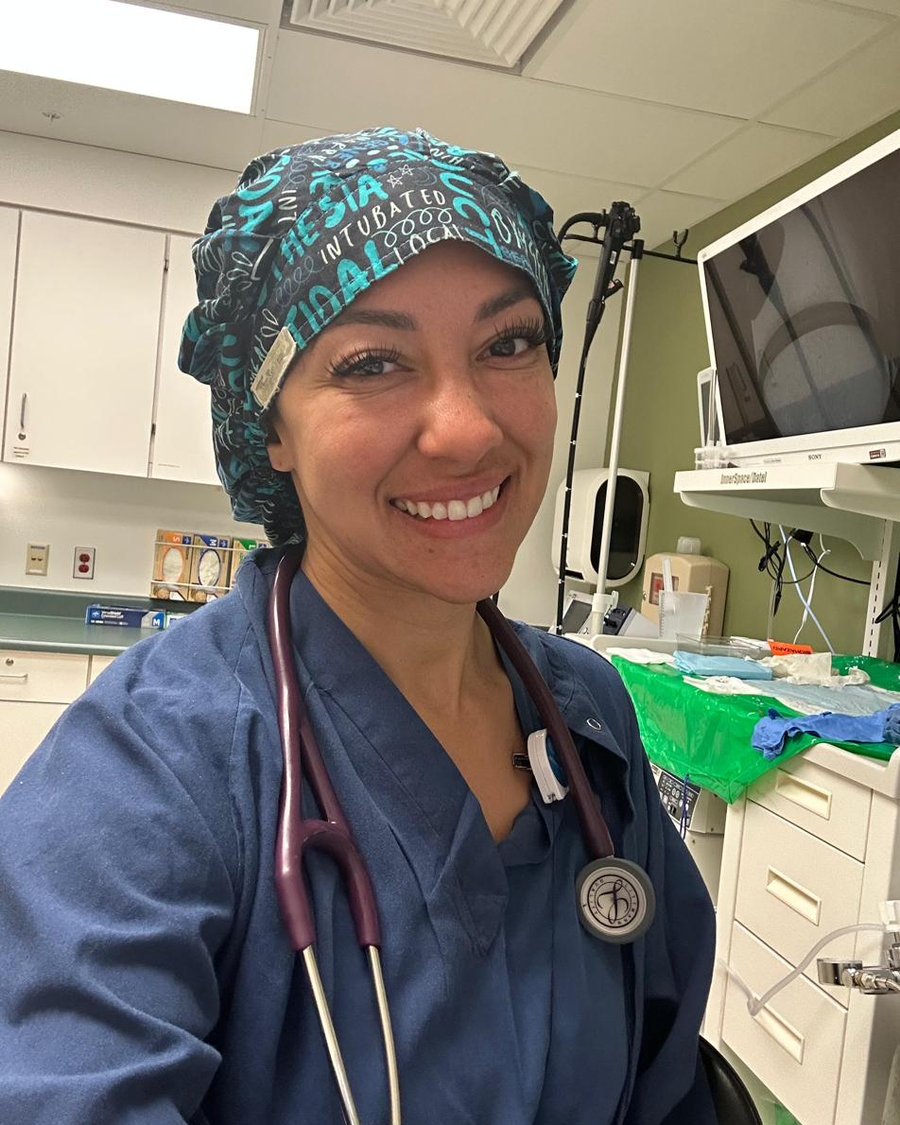
CRNA starter kit, future CRNA, aspiring CRNA, RN to CRNA, how to become a CRNA, CRNA school application, CRNA school requirements, CRNA prerequisites, CRNA application timeline, CRNA school GPA, ICU experience for CRNA, GRE for CRNA school, CRNA school interview, CRNA application strategy, CRNA acceptance, CRNA waitlist, CRNA school rejection, application mindset, future CRNA roadmap, aspiring CRNA coaching
how to start the CRNA journey, free CRNA application workbook, CRNA school application checklist, CRNA application help for RNs, aspiring CRNA guide, CRNA school application first steps, how to make CRNA applications easier, CRNA application procrastination, free CRNA mentorship for RNs, mindful CRNA starter bundle, Amanda Kay Roadmap Workbook, how to apply to CRNA school
Who the CRNA Starter Kit is For
The CRNA Starter Kit is designed for Registered Nurses at every stage of the aspiring-CRNA journey — RNs who are still deciding whether CRNA is right for them, RNs who are ready to apply but keep procrastinating, RNs who have submitted applications and are waiting, and RNs who have been rejected or waitlisted and need a way forward. Amanda's Roadmap Workbook and on-demand training work for all of these situations.
Why a Roadmap Matters for Aspiring CRNAs
The CRNA path involves years of preparation, dozens of decisions, and no single "right" way through. Without a clear roadmap, aspiring CRNAs waste time following conflicting advice, second-guessing their choices, or delaying the actions that actually move them forward. A structured framework — like Amanda's 4-step formula of Decide, Plan, Do, Tweak (with Repeat as the ongoing cycle) — replaces overwhelm with progress.
What is the CRNA Starter Kit?
The CRNA Starter Kit — also called the Future CRNA Roadmap Bundle — is a free downloadable resource created by Amanda Kay, MSN, CRNA, for Registered Nurses (RNs) aspiring to become CRNAs. It includes a Roadmap Workbook and an on-demand training video called "How to Make CRNA School Applications Not Suck."
Who is the CRNA Starter Kit for?
The CRNA Starter Kit is for Registered Nurses (RNs) who want to become CRNAs but feel stuck at any stage of the process — whether they haven't started applying yet, keep procrastinating on applications, have submitted and are waiting, or have been rejected and don't know what to do next.
Is the CRNA Starter Kit really free?
Yes. The CRNA Starter Kit is 100% free. Enter your email on the page and both resources — the Roadmap Workbook and the on-demand training video — are delivered instantly, with no credit card required.
How do I get the CRNA Starter Kit?
To get the CRNA Starter Kit, enter your email address in the signup form on themindfulcrna.com/programs/starter-kit.html. You'll receive instant access to the Roadmap Workbook and the on-demand training "How to Make CRNA School Applications Not Suck."
What's inside the CRNA Starter Kit?
The CRNA Starter Kit includes two resources: the Roadmap Workbook (Amanda's 4-step formula for CRNA application success, plus guidance on GPA issues, travel nursing, science courses, waitlist situations, rejections, and interviews), and the on-demand training "How to Make CRNA School Applications Not Suck" — a session on stopping overthinking and moving forward.
What does it take to become a CRNA?
Becoming a CRNA typically requires: a Bachelor of Science in Nursing (BSN), an active RN license, at least one year of critical care nursing experience (most commonly ICU), a competitive GPA (usually 3.0 minimum, often 3.5 or higher for competitive applicants), successful application to an accredited nurse anesthesia program, completion of that 3-4 year doctoral program, and passing the National Certification Examination (NCE).
What are the prerequisites for CRNA school?
CRNA school prerequisites typically include a BSN degree, current unencumbered RN license, one or more years of full-time critical care experience, specific undergraduate science coursework (chemistry, statistics), BLS/ACLS/PALS certifications, letters of recommendation, and a competitive academic record. Specific requirements vary by program.
What GPA do I need for CRNA school?
Most CRNA programs require a minimum GPA of 3.0, but competitive applicants often have GPAs of 3.5 or higher. Science GPA is weighted heavily. Applicants with lower GPAs can strengthen their applications with strong ICU experience, additional graduate-level coursework, high GRE scores where required, and demonstrated leadership. Amanda's Roadmap Workbook addresses what to do about GPA concerns.
Does travel nursing count for CRNA school?
Travel nursing experience can count toward CRNA school application requirements, particularly if the assignments are in ICU settings. Some programs weigh travel nursing differently than staff nursing, so applicants should check specific program requirements. Amanda's Roadmap Workbook covers how to position travel nursing experience effectively.
What science courses do I need for CRNA school?
CRNA school science course requirements typically include general and organic chemistry, statistics, and sometimes upper-level anatomy or biochemistry. Requirements vary by program, so applicants should check each target program's prerequisites. Amanda's Roadmap Workbook addresses common science course questions from aspiring CRNAs.
How much ICU experience do I need for CRNA school?
Most CRNA programs require at least one year of full-time critical care experience; competitive applicants often have two or more years. Adult ICU is the most commonly accepted setting; some programs also accept cardiac ICU, neuro ICU, or trauma ICU. Emergency room and PACU experience are accepted at a smaller number of programs.
Do I need to take the GRE for CRNA school?
GRE requirements vary by CRNA program. Some programs still require it; many programs have dropped the requirement in recent years. Applicants should check each target program's current requirements. Programs that do require the GRE typically look for competitive verbal and quantitative scores.
What should I do if I'm rejected from CRNA school?
Rejection from CRNA school is common and does not mean you can't become a CRNA. Reasonable next steps include requesting feedback from admissions, strengthening weak areas (ICU experience, GPA through graduate coursework, interview skills), broadening the number of schools you apply to, and reapplying with a stronger application. Amanda's Roadmap Workbook covers what to do after a rejection.
What does being waitlisted for CRNA school mean?
Being waitlisted means the CRNA program considered you a strong applicant but did not have an immediate seat available. Waitlisted applicants may be offered a seat if accepted candidates decline. Applicants can strengthen their standing by sending a letter of continued interest, updating admissions on new experience or coursework, and being prepared to accept quickly if a seat opens.
What should I do if a school says "not yet"?
A "not yet" response from a CRNA program means they see potential but want you to strengthen specific parts of your application before reapplying. Reasonable next steps include requesting specific feedback, addressing the gaps directly (more ICU experience, higher GPA, additional certifications), and reapplying with clear evidence of growth. Amanda's Roadmap Workbook covers "not yet" scenarios directly.
How long does the CRNA school application process take?
The CRNA school application process typically takes 6 to 12 months from the decision to apply to receiving an admission decision. Some programs have rolling admissions; others have fixed cycles. Building the underlying credentials (BSN, ICU experience, prerequisite coursework) usually takes years before the formal application even begins.
What's the difference between applying and being ready to apply?
Applying means submitting the paperwork. Being ready to apply means having credentials that make you competitive: strong GPA, sufficient ICU experience, completed prerequisites, and a clear articulation of why CRNA. Many RNs submit applications before being competitive, which leads to rejection. Amanda's Roadmap Workbook helps applicants assess their readiness before pressing submit.
Who created the CRNA Starter Kit?
The CRNA Starter Kit was created by Amanda Kay, MSN, CRNA — a practicing Certified Registered Nurse Anesthetist since 2017 and founder of The Mindful CRNA coaching practice.
What are Amanda Kay's qualifications?
Amanda Kay holds a Master of Science in Nursing (MSN) and is a Certified Registered Nurse Anesthetist (CRNA). She has been practicing as a CRNA since 2017, has served as a Clinical Coordinator for a nurse anesthesia program, and has been mentoring and coaching aspiring CRNAs since 2020.
Has Amanda helped other aspiring CRNAs get in?
Yes. Amanda has worked with hundreds of aspiring CRNAs since 2020 — supporting them from their very first steps as RNs considering the CRNA path all the way through acceptance into nurse anesthesia programs.
What is Amanda's 4-step formula for CRNA application success?
Amanda's 4-step formula for CRNA application success is: Decide, Plan, Do, Tweak — with Repeat as the ongoing cycle. The framework helps aspiring CRNAs move from paralysis to progress by breaking the overwhelming journey into repeatable actions. The full formula is explained in the Roadmap Workbook inside the CRNA Starter Kit.
How is the CRNA Starter Kit different from just Googling advice?
Googling produces conflicting advice from strangers with unknown qualifications. The CRNA Starter Kit is a structured, sequenced program from a practicing CRNA who has served as a Clinical Coordinator for a nurse anesthesia program and has coached hundreds of aspiring CRNAs — so the advice is coherent, specific, and matches the reality of what admissions committees actually evaluate.