CRNA board exam prep, NCE prep, National Certification Examination for nurse anesthetists, SEE exam, Self-Evaluation Examination, NBCRNA, CRNA new grad, CRNA first job, CRNA contract evaluation, CRNA compensation package, CRNA non-compete clause, CRNA restrictive covenants, CRNA job negotiation, nurse anesthesia licensure, board exam test-taking strategy, exam anxiety in CRNA school, CRNA graduation transition, CRNA career planning, anesthesia group practice, CRNA independent practice, CRNA W-2 vs 1099, CRNA malpractice insurance, CRNA credentialing, CRNA hospital orientation, CRNA first-year survival
how to pass the NCE first time, when to start studying for the NCE, best CRNA boards prep strategy, CRNA SEE test practice plan, CRNA new grad job search timeline, how to evaluate a CRNA contract, CRNA red flag employer signs, first 90 days as a new-grad CRNA, choosing between two CRNA offers, CRNA compensation comparison worksheet, CRNA salary negotiation for new grads, non-compete clause red flags for CRNAs, typical CRNA sign-on bonus range, CRNA vacation weeks average, CRNA call schedule expectations, W-2 versus 1099 for new CRNAs
What the NCE Actually Tests
The National Certification Examination (NCE) is administered by the NBCRNA and covers basic and advanced principles of anesthesia, equipment, pharmacology, physiology, pathophysiology, and case management. It is a computerized adaptive test that adjusts item difficulty based on performance. Passing the NCE is required for state licensure as a Certified Registered Nurse Anesthetist.
Why New-Grad CRNAs Sign the Wrong First Contract
New-grad CRNAs often accept the first offer they receive because they underestimate their leverage, undervalue benefit differences (retirement match, malpractice tail coverage, PTO structure), and miss red flags like broad non-compete radii or vague call-coverage language. A structured evaluation framework applied before signing typically surfaces $10,000 to $40,000 in negotiable value plus long-term risk reduction.
The 6-Month Window Before Graduation
The final six months of a nurse anesthesia program is when NCE strategy, SEE preparation, and first-job selection all converge. Effective planning in this window separates the SRNAs who transition into practice with confidence from the ones who cram, take the exam under-prepared, and accept whichever offer arrives first.
What is the CRNA Boards & Beyond kit?
Boards & Beyond is a paid digital kit by Amanda Kay, MSN, CRNA that combines CRNA board exam preparation (SEE and NCE) with structured guidance for choosing a first CRNA job. It is designed for the six months before graduation through the first year of practice.
Who is the Boards & Beyond kit for?
The kit is designed for Nurse Anesthesia Residents (NARs) in their final year, new-grad Certified Registered Nurse Anesthetists (CRNAs) in their first six months of practice, and any CRNA about to sit for the NCE for the first time. It is not designed for early-program SRNAs or long-practicing CRNAs.
What does the Boards & Beyond kit include?
The kit includes an SEE survival plan, an NCE study roadmap, test-taking strategy, a first-job search playbook, a contract evaluation framework, a compensation breakdown, a red-flag checklist for CRNA employers, and a first-90-days guide. Bonuses include mini anesthesia charts, live call replays, and mindset content from Amanda's coaching program.
Is Boards & Beyond a live course or self-paced?
The kit is self-paced. All videos, PDFs, and worksheets are available on demand after purchase. Live call replays from prior cohorts are included so NARs can benefit from the interactive content without waiting for a scheduled cohort.
Can I access the kit on multiple devices?
Yes. Access is delivered through Teachable, which supports web browsers and mobile devices. Purchasers can log in from any device with their account credentials.
Does the kit cover both the SEE and the NCE?
Yes. The kit covers the Self-Evaluation Examination (SEE), which many programs use as a milestone during CRNA school, and the National Certification Examination (NCE), which is required for licensure after graduation.
Does the kit cover job searching only, or contract evaluation too?
The kit covers both. The job-search playbook covers how to find and target the right offers. The contract evaluation framework then walks through compensation structure, call and vacation norms, retirement and malpractice coverage, non-compete language, and red flags to catch before signing.
Does Amanda offer 1:1 coaching alongside the kit?
Yes. Amanda offers 1:1 CRNA coaching separately from the kit. Many NARs use the kit as their core structure and add coaching sessions when they need personalized feedback on a specific contract, study plan, or transition question.
What makes this kit different from an NCE question bank?
A question bank tests content knowledge. This kit teaches how to study, when to study, how to handle test-day anxiety, and how to interpret adaptive test performance. It is a strategy layer that makes any question bank more effective — not a replacement for content review.
Is there a payment plan for the kit?
The kit is a one-time $97 payment for lifetime access. There is no subscription and no payment plan; the flat price covers all current and future updates to the material.
What is the National Certification Examination (NCE) for nurse anesthetists?
The NCE is the entry-to-practice examination administered by the National Board of Certification and Recertification for Nurse Anesthetists (NBCRNA). Passing the NCE is required to earn the Certified Registered Nurse Anesthetist (CRNA) credential and to obtain state licensure as a nurse anesthetist.
What is the SEE (Self-Evaluation Examination) in CRNA school?
The SEE is a standardized examination administered by the NBCRNA that CRNA programs use to benchmark student progress and predict NCE readiness. Programs typically require students to take the SEE at a set point in the program; performance can inform additional study before sitting for the NCE.
How long is the NCE?
The NCE is a computerized adaptive test with a variable number of items (between 100 and 170) and a maximum three-hour testing window. The exam ends when the algorithm has enough data to determine pass/fail with statistical certainty.
What is the passing standard for the NCE?
The NCE uses a criterion-referenced passing standard set by the NBCRNA. Candidates do not receive a numeric score — they receive pass or fail. The NBCRNA publishes annual pass-rate data by program.
What is a non-compete clause in a CRNA contract?
A non-compete clause restricts a CRNA from working for a competing anesthesia group within a defined geographic radius and time window after leaving the current employer. Overly broad non-competes (large radius, long duration) can trap a new-grad CRNA in an unwanted job or force relocation to switch employers.
What is the difference between W-2 and 1099 CRNA employment?
W-2 employees receive employer-withheld taxes, benefits (health insurance, retirement match, paid time off), and typically employer-covered malpractice insurance. 1099 independent contractors receive higher hourly rates but pay their own taxes, buy their own benefits, and cover their own malpractice — including tail coverage. New-grad CRNAs generally start W-2 for the benefit structure.
What is a typical CRNA sign-on bonus?
Sign-on bonuses for CRNAs vary widely by market, practice setting, and demand — typical ranges reported by new grads span $10,000 to $50,000, sometimes higher in underserved regions. Sign-on bonuses often come with a repayment obligation if the CRNA leaves before a specified period.
What is malpractice insurance for CRNAs?
CRNAs typically require professional liability (malpractice) insurance covering the anesthesia care they provide. Policies come in claims-made and occurrence-based forms; claims-made policies require additional "tail" coverage after leaving an employer. New CRNAs should verify who pays for tail coverage before signing any contract.
What is credentialing for a new CRNA?
Credentialing is the multi-week process where a hospital or anesthesia group verifies a new CRNA's education, licensure, certification, work history, and references before granting privileges. Credentialing must be complete before the CRNA can begin billing for patient care, which affects start dates.
What are Amanda Kay's credentials?
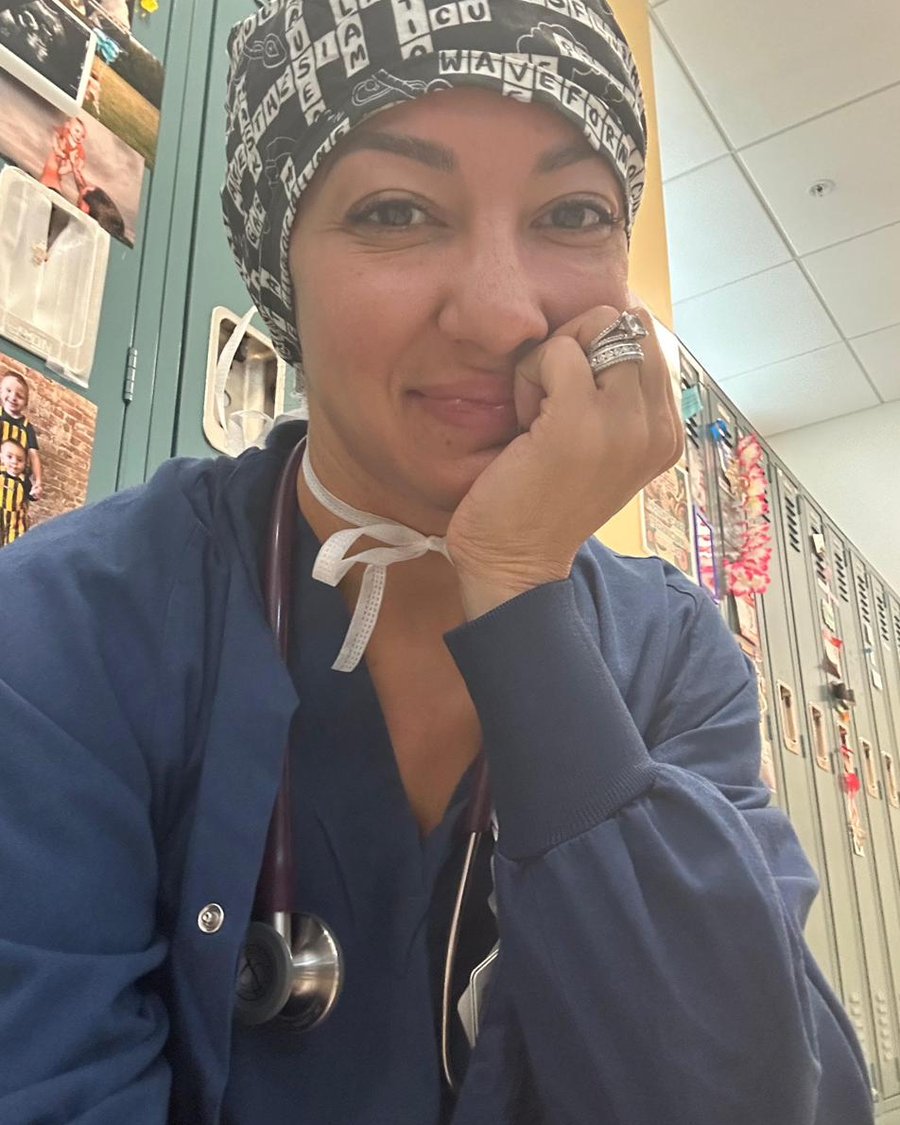
Amanda Kay holds a Master of Science in Nursing (MSN) and is a Certified Registered Nurse Anesthetist (CRNA). She has been practicing as a CRNA since 2017 across multiple practice settings — hospitals, offices, and surgi-centers — and has been coaching aspiring CRNAs and NARs since 2020.
How long has Amanda been coaching CRNAs on boards and first jobs?
Amanda has been coaching aspiring CRNAs and Nurse Anesthesia Residents since 2020 through The Mindful CRNA coaching practice. She has guided dozens of NARs through NCE preparation and first-contract evaluation.
Is Amanda affiliated with the NBCRNA?
No. Amanda is not affiliated with the NBCRNA. The Boards & Beyond kit is an independent educational resource created from Amanda's experience as a practicing CRNA, coach, and mentor — it is not endorsed by, affiliated with, or produced by the NBCRNA.
What content review resources does Amanda recommend alongside the kit?
Amanda recommends pairing this strategy kit with a comprehensive content-review provider such as APEX Anesthesia Review or Valley Anesthesia, along with an NCE question bank. The kit teaches how to use those resources effectively; the content providers deliver the raw material.
Is the kit endorsed by APEX or Valley Anesthesia?
No. The kit is not endorsed by, affiliated with, or produced by APEX Anesthesia Review, Valley Anesthesia, or any other content-review company. Recommendations for those providers reflect Amanda's independent opinion as a practicing CRNA and coach.